
Chickpea or Chickpea is a legume of the Fabaceae subfamily Faboideae. Chickpea can be a very profitable crop. Successfully obtaining human-grade depends on good management throughout the season, but special harvest attention will maximize crop quality and storage. Let’s check out the steps to boost Chickpea/Bengal Gram yield below.
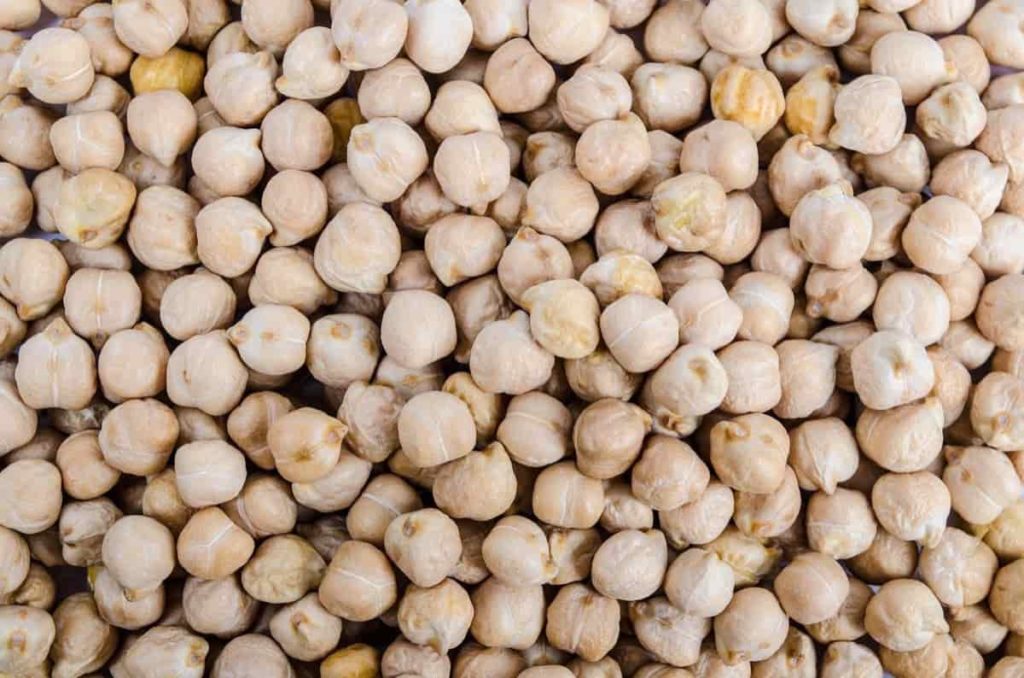
The Chickpea is indeterminate, so harvest management should consider variable fields at maturity level. Farmers may need to manage separate areas within the fields to ensure high quality. For example, fewer spots have not reached physical maturity when they reach the proper stage, not with the rest of the field.
Incorporating them with a crop at the proper stage will result in a crop that is not uniform in quality with different levels of moisture that will affect storage and contain chemical residues. Chickpea is a valuable crop that provides nutritious food for the world’s growing population and will become increasingly important with climate change.
Nutritionists have strongly emphasized the nutritional value of Chickpea in terms of nutrition and physical health in health and food in many countries of the world. Chickpea, commonly called Bengal gram, is India’s most essential pulses crop. It is used for human consumption as well as for feeding animals. Fresh green leaves are used as vegetables, while gram straw is the best fodder for cattle. Grains are also used as a vegetable.
16 Steps to boost Chickpea/Bengal Gram yield
Step 1: Land preparation to enhance high quality
Land preparation for sowing Chickpea seed is based on soil type and cropping system. In the case of heavy soils, a rough seedbed is prepared to avoid packing cloddy surfaces due to winter rains. It is important to plow the field at the beginning of the rainy season. It opens up the depth of the soil and ensures effective protection of moisture. Deep plowing also reduces the wilting of the Chickpea produced due to the presence of a hard pan in the root area.
Step 2: Techniques for increasing Chickpea productivity
The productivity of Chickpea can be significantly enhanced by better cultivation and adoption of related improved production techniques. It has often been observed that farmers who do not adopt better cultivation are also reluctant to adopt better crop production technology. Thus, better crops provide an efficient vehicle for transferring other improved crop production technologies.
In case you missed it: Best Fertilizer for Chickpea/Bengal Gram: Organic, NPK, Management, How and When to Apply
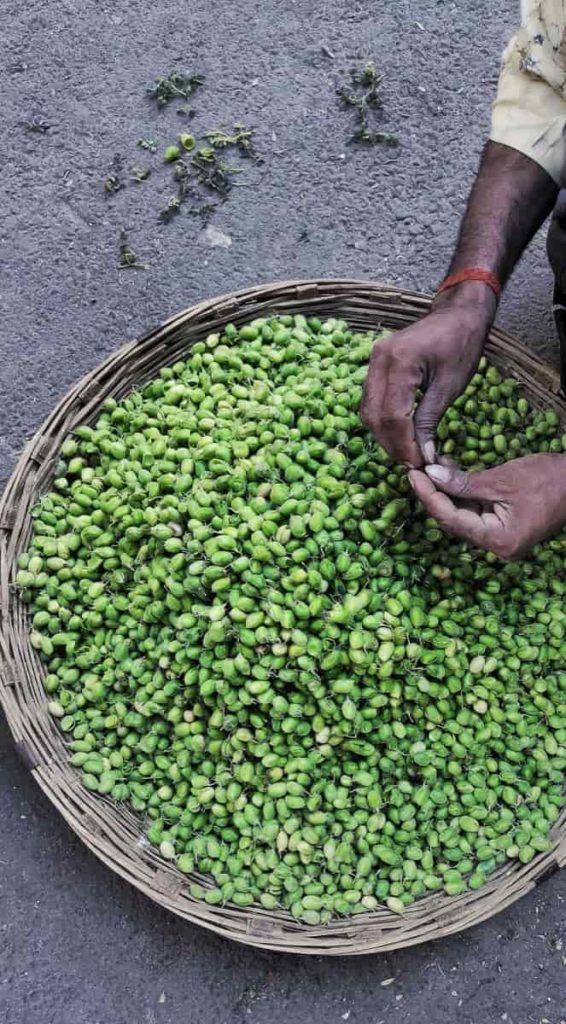
There is a need to increase seed production to ensure adequate availability of quality seeds to farmers locally and at reasonable prices. Due to the small role of the private sector in fruit seed production, the informal seed system (seed production through NGOs, farmer groups, and individual farmers) has been significant in increasing the availability of quality seeds and adopting better cultivation.
Step 3: Seed selection tips for increasing crop yield
Chickpea seeds used for sowing need to be procured from licensed suppliers. Seeds should be naturally pure and of high quality. Seeds used for sowing must be satisfactory for a good place. Seeds need to be thoroughly inspected and cleared of pests, insects, and diseases. Seed selection plays an essential role in the profitable cultivation of chickpeas. When selecting seeds for Chickpea cultivation, ensure that the selected seeds are free from pests, insects, diseases, mud particles, and weeds. The seed should germinate well and be clean.
Step 4: Climate for producing high yield
Chickpea is an annual cold season crop that performs best at daytime temperatures of 21 to 26°C and nighttime temperatures of 17 to 21°C. They give good yields in dry conditions due to their deep roots. High rainfall seasons (over 30 inches per year) indicate a decline in yield due to disease outbreaks and stem formation problems due to the overgrowth of plants. Areas with light, well-distributed rainfall patterns produce the most productive and standard Chickpea seeds.
Step 5: Soil for getting high crop yield
Chickpea is best in loamy soils with good internal drainage. Good drainage is essential as the short duration of flood or waterlogged fields also reduces growth and increases susceptibility to root and stem rot.
Step 6: Spacing to get a good yield
Sowing should be done in rows with a spacing of 30×10 cm to maintain a maximum plant population of 30-35 plants / square meters to get a good yield. Chickpea seeds must be placed at 10-12 cm; sowing can be done as a broad bed and furrow system. Up to 44 plants with more plant density are recommended in late sowing conditions.
Step 7: Seed rate for better Chickpea cultivation
Chickpea needs suitable environmental conditions for growth and development. There are two types, and the seed rate is different.
- Desi varieties require 50 to 75 kg seed per hectare for sowing.
- White gram requires 75 to 100 kg seed per hectare for sowing.
Step 8: Select high yield Chickpea varieties
Some high-yielding and improved varieties of Chickpea are also available. The most cultivated
and popular Chickpea varieties are Avrodhi, BG-2024, BJD-128, RS-10, ST-4, Sadabahar, Uday,
Vijay Gaurav, Gora Hisari, Haryana Chana, KPG-59, Pusa-Dharwad, Pusa-112, Pusa-212, Pusa-
240, Pusa 261, Pusa-372, Pusa-1103, and many more. Farmers consider maturity, growth habits,
seed size and color patterns, and yield when choosing varieties for growing. You can select any
type depending on its availability in your area. Also, contact the nearest agricultural center for a good recommendation.
Step 9: Sowing time for better growth and development
In India, mid-October to mid-November is the best time to sow Chickpeas. Any deviation from this period leads to a significant reduction in production. However, Chickpea sowing is delayed beyond the appropriate date due to late rice harvest in a rice-based cropping system.
Step 10: Plant growth tips for better yield
There is an indeterminate habit of vegetative growth in which plant growth continues even after flowering. Therefore, there is often a series of leaf, flower bud, flower, and pod growth with each branch. The period of plant growth before flowering is usually 40 to 80 days depending on the type, location, soil moisture availability, and climatic conditions.
In case you missed it: Chickpea Seed Germination, Time, Temperature, Procedure
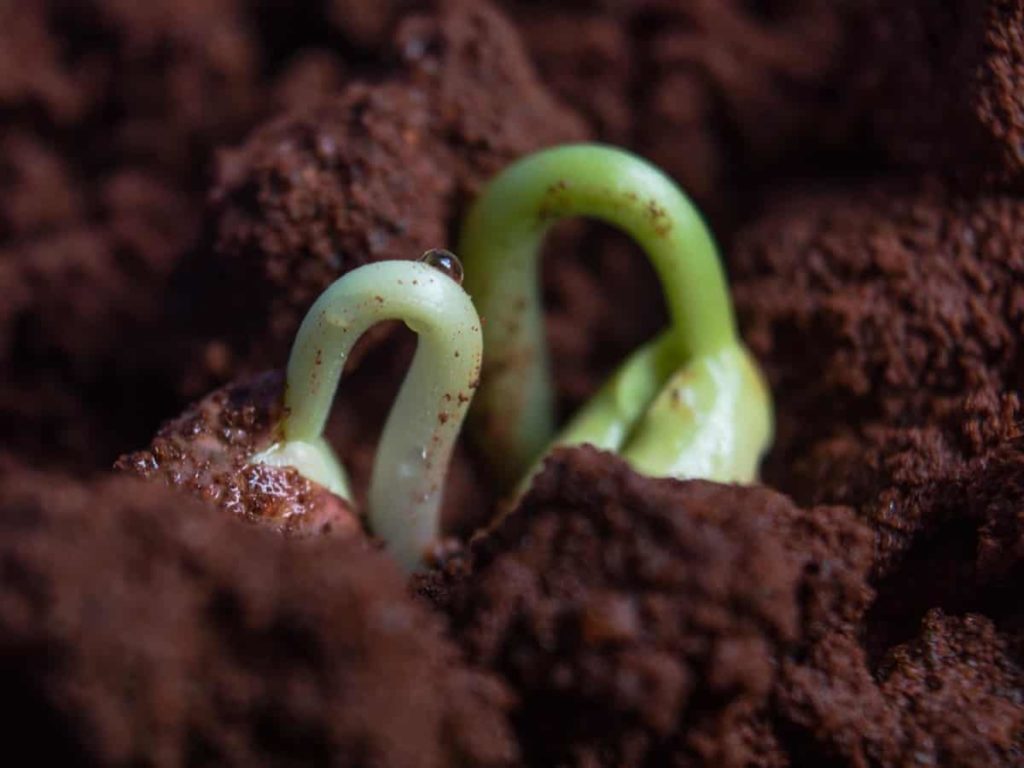
Many pseudo-flowers or false flower buds are formed during the transformation from leaf buds to flower buds on the stem. Excessive plant growth is a problem in long growing climatic environments when soil moisture and temperature conditions remain favourable during reproductive development.
Step 11: Water management for better cultivation
Chickpeas are mostly sown as a rainfed crop. However, irrigate before sowing where irrigation facilities are available. It will ensure proper germination and smooth crop growth. If winter rains fail, give one irrigation at the pre-flowering stage and one at the plant growth stage. Under no circumstances should the first irrigation be done at the flowering of the Chickpea crop.
Light irrigation should be done as heavy irrigation is always detrimental to the Chickpea crop. Excessive irrigation increases plant growth and reduces production. One or two light irrigations in the rainy season before flowering in 35-40 days and sowing in 55-65 days will increase the yield. Foliar spray yield of 2% DAP or urea will increase in the pre-flowering stage.
Chickpea is mostly sown in rainy conditions. However, pre-sowing irrigation is essential where irrigation facilities are available to ensure proper germination and smooth crop growth. Irrigation is given at the stage before flowering and the growth stage of a pod if the winter rains are insufficient. The Chickpea crop mustn’t be irrigated at the time of flowering.
In addition, heavy irrigation is always detrimental to the Chickpea crop as excessive irrigation reduces plant growth. Therefore, light irrigation should be done. Chickpea is generally grown as a rain-fed crop, but two irrigations, one in the branches and one in the pod filing stages, are recommended for higher yields. Excessive irrigation can lead to an overgrowth in heavy soils.
Step 12: Fertility and lime requirements for good yield
Fertility requirements for Chickpea, but the crop may need phosphorus, potassium, and micronutrients recommended for other pulses or legumes in the area. Any fertilizer application should be on the level of a soil test, previous crop, and expected yield level. The soil should be limed at a pH of 6.0 unless a crop with high pH is grown in rotation. If the roots can be nodulated with appropriate Rhizobium, nitrogen fertilizer will not be required.
Some farmers want to provide 15 to 30 pounds of nitrogen as a broadcast treatment to enhance early seed growth. Feed 20:40:20 NPK per kg with 20 kg S / hectare will significantly increase the production of Chickpea and will benefit the coming crop. Zinc is undoubtedly one of the most healthy nutrients for crop growth. Therefore, using zinc as 25 kg/hectare of basil offers promising results.
Boron and molybdenum give more lead to acidic soils. A pair of approximately 2% DAP and% KCl increases foliar spray production in the pre-flowering stage. As a leguminous crop, it requires 20 kg/hectare of nitrogen, 40 kg/hectare of phosphorus, 20 kg/hectare of potash, and 20 kg/hectare of sulfur. However, fertilizer or FYM of 5-10 tons per hectare needs to be used during soil preparation to enhance soil structure.
In case you missed it: Chickpea Cultivation Income (Bengal Gram), Project Report
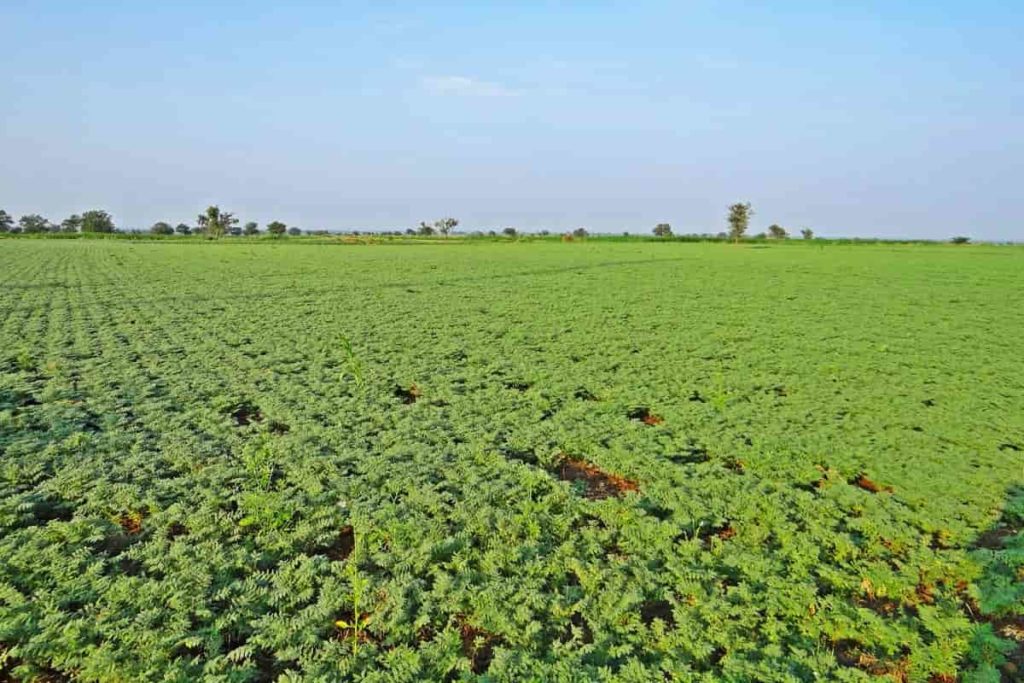
The Chickpea fertilizer application program depends on the nutritional status of the field and thus, differs from field to field, and the amount of fertilizer must be determined based on the results of the soil test. However, the general nutritional recommendation for Chickpea is 20-30 kg nitrogen (N) and 40-60 kg phosphorus (P), and 17 to 30 kg K2O per hectare.
N-Chickpea can meet 60 to 80% of its nitrogen requirement through nitrogen fixation. A small amount of starter nitrogen can help plants stay healthy and strong during early growth until nodulation begins, approximately three to four weeks after germination.
P-Phosphorus is an essential nutrient for plants because it requires relatively more nutrients. The soil requires a lot of phosphorus for nitrogen accuracy and promotes skin maturation. Phosphorus promotes extensive root systems, strong plant growth, good nodule growth, and more uniform maturation. Chickpea also responds to phosphorus fertilizers with higher yields and larger seed sizes.
K-Chickpea consumes large amounts of potassium, and this amount extracted by the crop should be returned to the soil to prevent potassium deficiency in the soil in the future. Potassium is an essential nutrient in enduring plant stress, such as high/low temperatures, drought, disease, and pest incidence. Since Chickpea is generally grown in relatively low soil residual moisture, 30 kg K2O / ha-1 for optimal growth, good quality, increased yield, improved soil fertility, and maximum net profit.
Step 13: Micronutrients for Chickpea crop growth
A lack of micronutrients may limit the yield, and micronutrients are recommended. Important nutrients for chickpeas include Sulfur (S), Zinc, Iron (Fe), Boron (B), and molybdenum (Mo). The requirements for these micronutrients vary from field to field and should be determined based on soil analysis results.
The use of mineral fertilizers will slightly increase yield as Chickpea is equipped to extract various minerals from unconventional soil sources. Herbal management is important for better herbal tolerance measures and the search for genetic resources. With genetic, abiotic stress and increased resistance to herbicides, future genetic modification may further improve the sustainability of Chickpea production.
In case you missed it: Chickpea Farming (Bengal Gram/Chana) Guide
Step 14: Weed control for increasing Chickpea yield
As Chickpea is a dwarf crop, it suffers severely from weed infestation. Uncontrolled weeds can limit Chickpea production by 40-87%. The first two months are important for crop competition. Between 25 to 30 days after sowing is the best time for mowing and hoeing. If the roots of the weeds remain intact after the first weeding, then the second weeding must be done about 60 days after sowing. Weeds can also be effectively controlled with herbicides.
Step 15: Pest and disease and their control for more plant growth
Pythium rot, Fusarium wilt, Ascochyta blight, Rhizoctonia root rot, White mold, Bacterial blight, and some viruses are possible disease problems in Chickpea production fields. These are common diseases that affect other pulses or legumes caused by too much rain, too much humidity, and too much temperature.
They are best controlled by good quality seeds, proper crop rotation, proper cultivation methods for burying diseased residues, and disease-resistant varieties if available. Contact an extension agent or crop consultant to identify disease organisms and control or management tips.
Because Chickpea leaves, stems, and pods are highly mature with glandular hairs that secrete malic and oxidic acids, they are less susceptible to aphids and other insects. There is a loss. Seed corn maggots and wireworms can cause problems by attacking seeds that germinate early in the season and destroying the growing point. If a pest problem is serious, consult the local extension office or crop advisor for information on threshold value and recommendations for control.
Step 16: Harvesting tips for more plant development
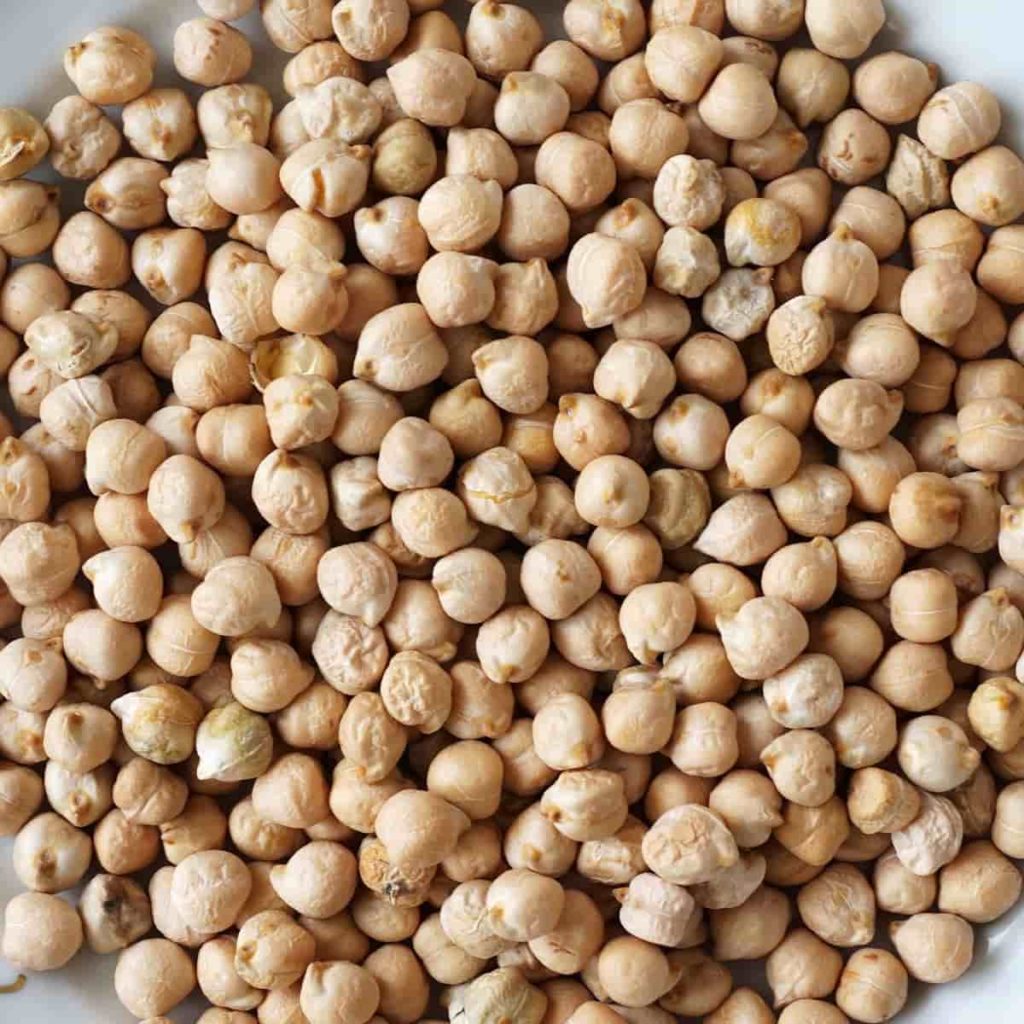
The Chickpea crop is considered ready for harvest when most plants are yellow and most beans are ripe. At this stage, the tops of the plants may still be green. When the seed moisture reaches about 15%, the Chickpea is ready for harvesting, improving seed quality. Harvesting Chickpea at physical maturity can increase yield by 30%, but it needs proper drying facilities. Harvesting time is very important for maintaining seed quality.
In case you missed it: Top 18 Steps to Boost Chilli/Pepper Yield: How to Increase Production, Quality, and Tips
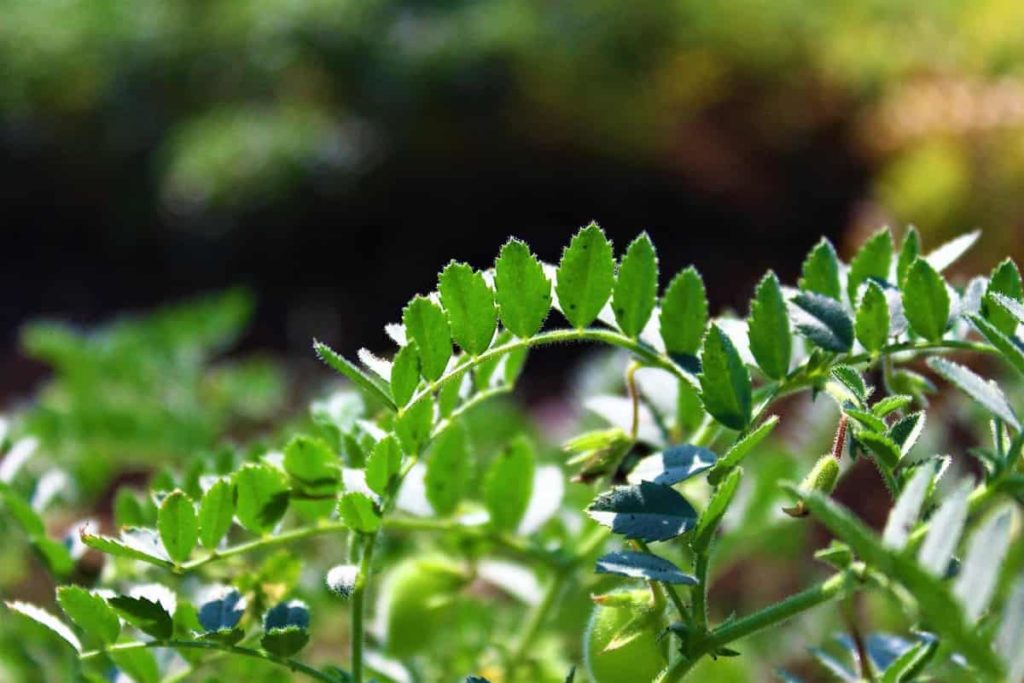
Harvesting should be done when the leaves begin to emerge and begin to fall, the beans turn yellow, the plants dry out, and the seeds feel hard and begin to shake inside the pods. After harvesting, the plants can be dried in the sun for a few days to ensure that the seeds are well dried. Give proper timing of Chickpea harvesting to ensure maximum possible yield.
The decision to start harvesting depends on the majority of the field meeting certain criteria. Don’t sacrifice the quantity and quality of your crop and wait for the small green areas to reach the appropriate stage to start harvesting.
- Top 16 Steps to Boost Chickpea/Bengal Gram Yield: How to Increase Production, Quality, and Tips
- Mango Farming in Mexico: How to Start, Planting to Harvesting, and Production Guide
- Fish Farming in Africa: How to Start, A Step by Step Guide for Beginners
- Corn Farming in USA: How to Start, Production by State, and Cultivation Guide
- Soybean Farming in USA: How to Start, Production by State, Cultivation for Beginners
- Top 19 Steps to Boost Green Gram Yield: How to Increase Production, Mung Bean Quality, and Tips
- Mango Farming in USA: Growing Regions, How to Start, Planting to Harvesting Guide
- Top 19 Steps to Boost Plum Yield: How To Increase Fruit Production, Quality, size, and Tips
- How to Identify Powdery Mildew: Symptoms, Treatment, and Prevention
- Urban Farming in Japan: How to Start, Benefits, Importance, and Challenges
- Mango Farming in Philippines: How to Start, Varieties, Planting, Care, and harvesting
- Top 19 Steps to Boost Soybean Yield: How to Increase Production, Quality, Size, and Tips
- How To Protect Tulsi in Winter Season in the USA: From Dying, Indoor Care, and Outdoor Care
- High Yield Tomato Varieties in India: A Farmer Guide for Good Profits
- How to Choose the Right Machinery for Your Farm: A Detailed Guide for Farmers
- Top 12 Steps to Boost Millet Yield: How to Increase Millets production, quality, and tips
- Top 14 Steps to Boost Spinach Yield: How to Increase Production, Quality, and Tips
- Fertilizer Management for Okra: Dose, NPK, and Schedule
- Top 20 Steps to Boost Coffee Bean Yield: How to Increase Production, Quality, size, and Tips
- How to Grow Leafy Vegetables in the USA: In Containers and Ground
- Top 17 Steps to Boost Ber Fruit/Yield/Jujube: How to Increase Production, Size, Quality, and Tips
- Sugarcane Farming in the USA: How to Start, Production States, Ideas, and Tips
- Bee Farming in South Africa: How to Start, Beekeeping Cost, and Profit
- How to Grow Tulsi from Seeds: Soil, Plant Protection from Cold, Indoor, and Outdoor Growing Tips
- Top 18 Steps to Boost Chilli/Pepper Yield: How to Increase Production, Quality, and Tips
- Wheat Farming in the USA: By State and Production
- Top 15 Steps to Boost Beans Yield: How to Increase Production, Quality, and Tips
- Growing Vegetables in Clay Soil: Plants, Crops, and Amending Tips
- Top 16 Steps to Boost Oil Palm Yield: How to Increase Production, Size, And Quality
- Top 24 Steps to Boost Tomato Yield: How to Increase Production, Quality, and Size
- Growing Okra in Australia: At Home, Planting Season, and Guide
- Top 16 Steps to Boost Cauliflower Yield: How to Increase Production, Size, and Quality
- Growing Vegetables Under Lights: Indoor, Led Lights, Artificial Lights For Beginners
- Hydroponic Farming in Bangalore: How to Start, Setup Cost, Companies, and Suppliers
- Hydroponic Farming in Hyderabad: Setup Cost, Training, Companies, and Equipment Suppliers
- Top 15 Steps to Boost Black Gram Yield: How to Increase Quality and Production
This information Top 16 Steps to Boost Chickpea/Bengal Gram Yield: How to Increase Production, Quality, and Tips appeared first on AgriFarming